Popular Home Trends in 2017: Sustainable Homes
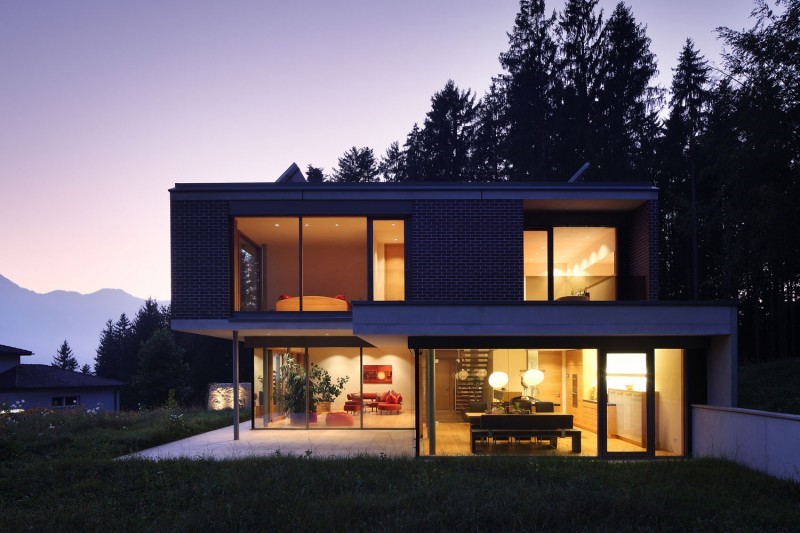
Home remodeling isn’t just good for the planet—rejuvenating your home to be more eco-conscious is beneficial to your family’s health and your home’s bottom line. These days, with most homeowners preferring to go green, there are more options than ever to appeal to both your conscience and your aesthetic. Healthy, sustainable living is not a new concept, but it promises to shift the face of home building soon. Sustainable design can provide solutions to some of the most sinister challenges that we face as a global society. A green ecosystem can grow in the heart of our concrete jungles when superior knowledge and technology meets care for the environment and human well-being. When we use the word “sustainable” we mean homes that are designed to reduce the overall environmental impact during and after construction in such a way that we can meet the needs of the present without compromising the ability of future generations to meet their own needs.
We accomplish this by:
Efficiently using energy, water, land and other resources
- Protecting occupant health
- Reducing greenhouse gases, pollution, waste and environmental degradation
Increasing numbers of people are taking sustainability and energy-efficiency into consideration when designing or purchasing a home. Every year, eco-friendly appliances, materials and systems are playing a more significant role in homes. From nature-inspired decor to environmentally conscious tech gadgets, we reveal five sustainable home trends which are set to be popular throughout 2017.
1. Light Harvesting
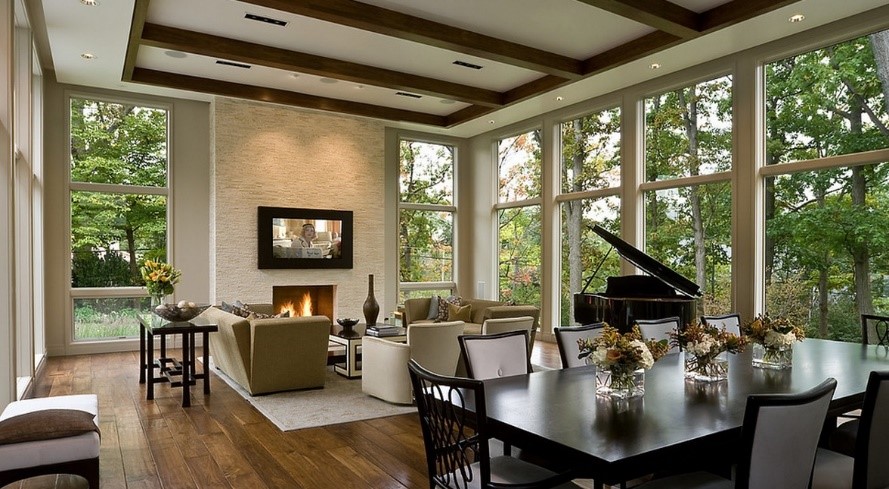
Daylight harvesting maximizes natural light, helping to enhance efficiency and productivity while maintaining the aesthetic appeal of your space. Motorized shades can be a tremendous aid to maximizing how you use and conserve daylight, especially when those shades or blinds are integrated into a smart home automation system. On a sunny day, space uses less artificial light. On a cloudy day, the interior lights will brighten to create the ideal work environment. These shading systems also protect furniture, fine art, rugs, and even wood surfaces, from the sun’s damaging UV rays.
One of Tivoli’s proposal is the usage of solar panels for both energy generation and water heating. In a Country like Qatar with an average of 13 hours and 25 minutes of daily daylight all year round, having solar panels is one of the most cost-effective and smart investment for a home.
2. The Color of Greenery
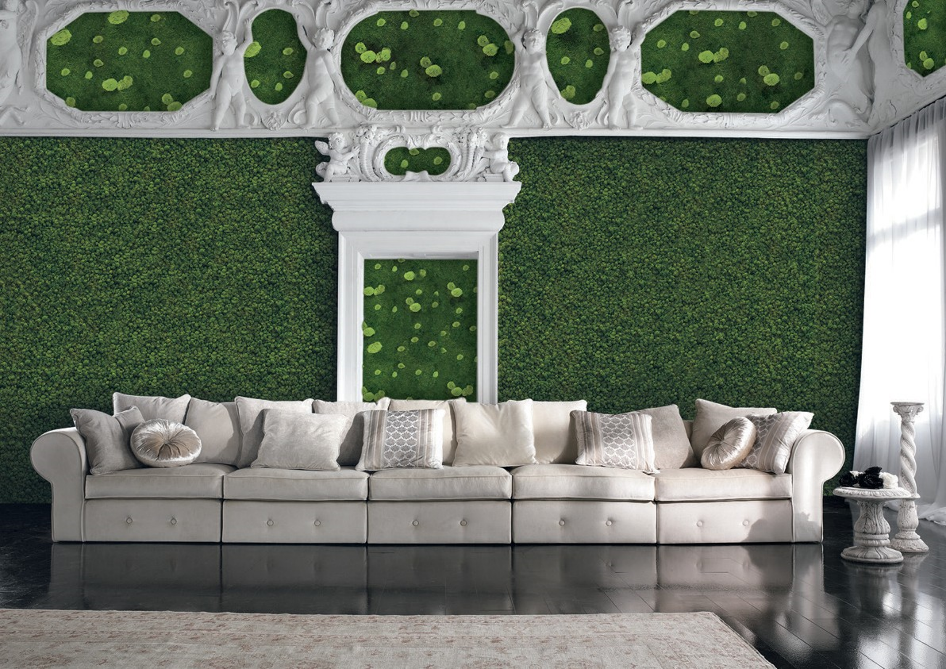
Each year, the Pantone Color Institute chooses a Color of the Year and 2017’s is Greenery. The executive director of the Pantone Color Institute, Leatrice Eiseman, believes that this vibrant shade of green represents hope and our connection to nature. While covering the walls in ‘greenery’ may seem daunting, there are more subtle ways to include it in a living space, including by bringing the outdoors in. Think about incorporating terrariums, indoor herb gardens, and succulents to breathe a little life into any space without going overboard. As well as bringing plants in, other nature-inspired features, such as terracotta walls, wicker furniture, and cork, can also create a green-friendly natural living space.
With Marlo’s interior preserved greenery, only available in Qatar at Tivoli, plants, and foliage can preserve their natural flexibility and freshness without any maintenance. Yes! Real plants that do not need water nor UV rays.
3. Home Detox
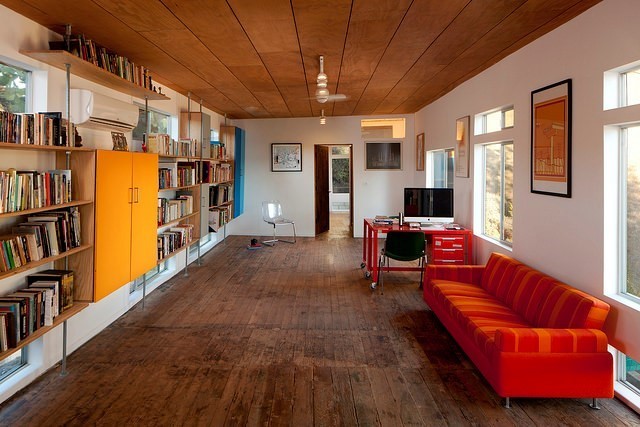
Increased awareness of the harmful effects of chemicals in the home has led to an increase in ‘home detoxification’. Homeowners can commission eco reports that consider a building’s current set-up to locate problem areas and to suggest eco-friendly alternatives. Toxic lead paint can be replaced with chemical-free paint, and radon tests can be done. To take things a step further, select materials with zero or very low VOCs when building new homes or extensions. Very important to avoid toxicity is on the constructing phase and Tivoli’s project team are conscious of it at a very early stage of the project recommending clients sustainable construction solutions that will avoid indoors greenhouse effect, helping good airflow and air circulation in spaces.
4. Water Quality and Conservation
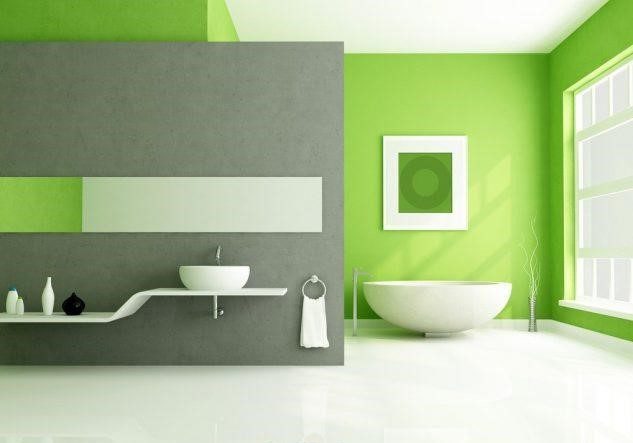
Rising health concerns and water crises in the news have sparked people’s desire to check out how their water quality measures up and to take precautions to protect and improve it. Healthy living is gaining in prominence, too, and clean water is a key ingredient. It’s not just water quality, but water waste is also a key factor that comes into play with the sustainable home. While water-saving devices have been around for many years now, recent developments in tech have led to a renewed interest in these features. Tivoli proposes automated water-reducing toilets, low-flow showerheads and timed sprinklers all top the list of water-saving devices. Water-saving tech which enables homeowners to monitor daily water consumption is also gaining popularity.
5. Smart Tech
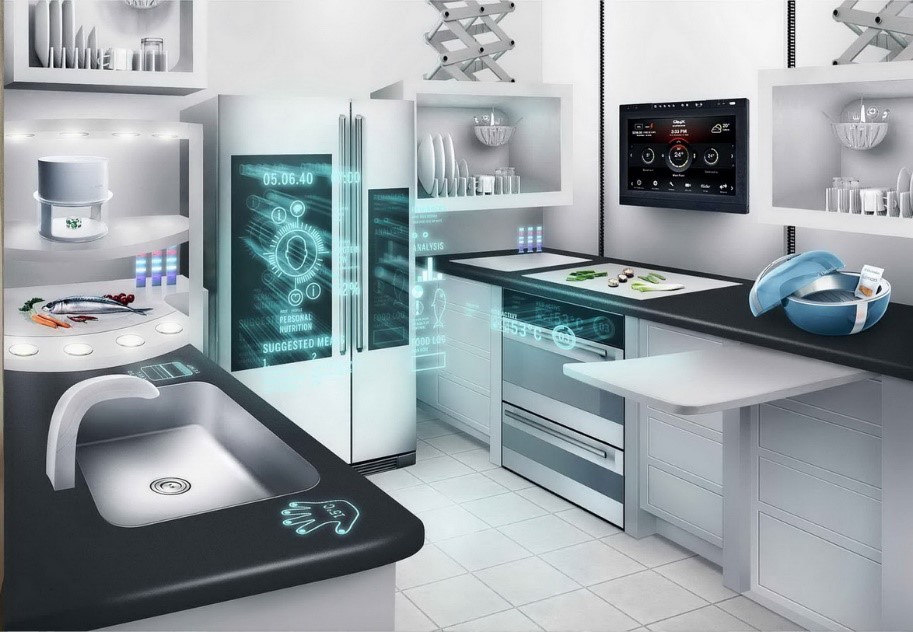
Designers at Tivoli are moving away from the old-fashioned ‘button and knob’ appliances to digital touch screens to control appliance settings. A range of home appliances can now be connected to a home automation system and controlled from a smartphone or tablet. Smart tech is a wise investment as it saves time, power and, ultimately, money. These are just a selection of the myriad of sustainable trends edging their way into new and existing homes. We can choose to harness the power of these features to shrink our footprint, reduce energy bills and to create both substrate and beautiful living spaces that are a pleasure to live and work in.
Different countries adopt different approaches for sustainable construction and set different priorities, depending on their economic condition. Nations with high economic growth are developing sustainable buildings making use of latest technologies and innovations. In the case of developing countries, social equality and economic sustainability are foremost considerations. In fact, developing countries are moving slowly or even negative towards adopting sustainable housing strategies. As far as the Middle East is concerned, economic considerations dominate for oil and gas-rich GCC countries as they protect their oil and gas export reserves by investing in innovative ways to boost energy efficiency and lower energy consumption. However, for less-affluent countries, such as Jordan, lack of indigenous energy resources and high energy costs are the primary reasons for implementation of sustainable design strategies in buildings.